
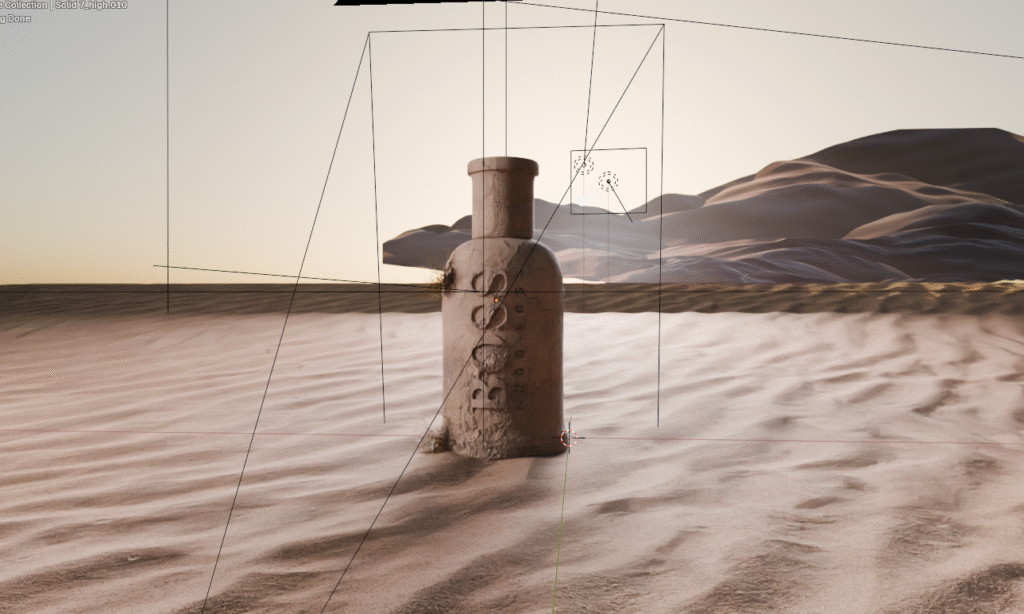
Static CGIs and 3D Renders
Static CGIs and 3D renders are visual representations created using computer software. While both are used to communicate design intent, they serve different purposes. Static CGIs are 2D images that showcase a single perspective or view of a scene or object. They are often used in architectural visualization, product design, and advertising to provide a photorealistic representation of a concept. 3D renders, on the other hand, are interactive and immersive, allowing viewers to explore a scene or object from multiple angles. They are commonly used in gaming, film, and product demonstrations to provide an engaging and dynamic experience.
3d Animation Graphics
Three-dimensional (3D) animation graphics have the power to captivate audiences like no other visual medium. By creating immersive and interactive experiences, 3D animation can grab attention, evoke emotions, and convey complex information in an engaging and memorable way. The use of vibrant colors, dynamic movements, and realistic textures can transport viewers into a new dimension, making them more receptive to the message being conveyed. Moreover, 3D animation can be used to simplify complex concepts, making them more accessible and understandable to a wider audience.
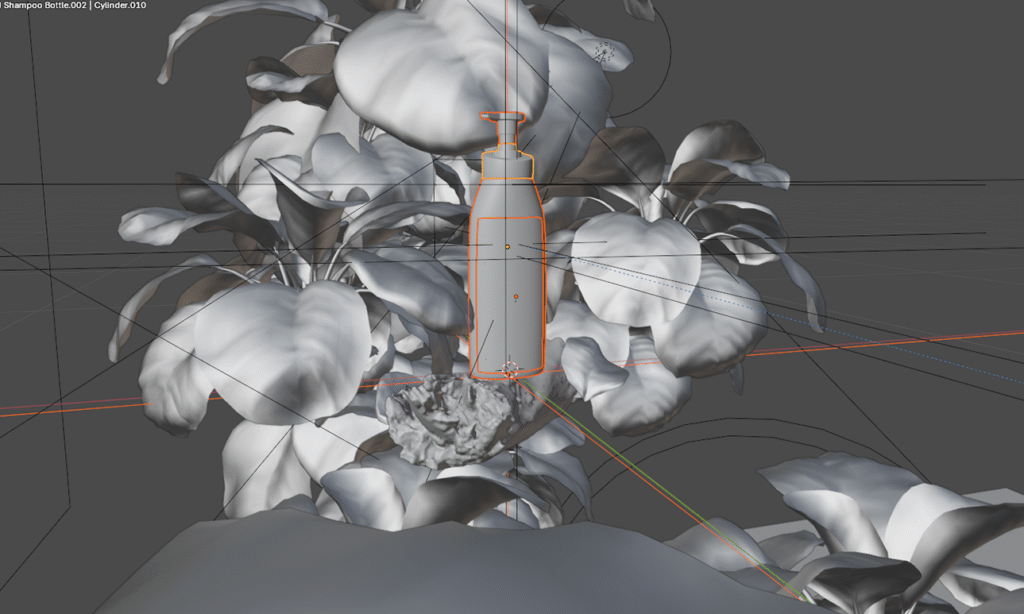

Social media Videos
Social media video advertising has become a crucial component of modern marketing strategies. With the rise of platforms like Facebook, Instagram, and TikTok, businesses can now reach a vast audience and engage with potential customers in a more immersive and interactive way. Video content has proven to be highly effective in capturing attention, conveying complex messages, and driving conversions. According to recent studies, video ads on social media have a 27% higher click-through rate compared to static images, and 64% of consumers are more likely to purchase a product after watching a video about it.
VFX Videos
Promoting products using VFX (Visual Effects) videos can captivate audiences and leave a lasting impression. By incorporating stunning visuals, motion graphics, and 3D animations, VFX videos can elevate product demonstrations, showcasing features and benefits in an engaging and memorable way. The use of dynamic camera movements, particle effects, and realistic simulations can create an immersive experience, drawing viewers in and holding their attention. VFX videos can also help to simplify complex product information, making it more accessible and understandable to a wider audience.